
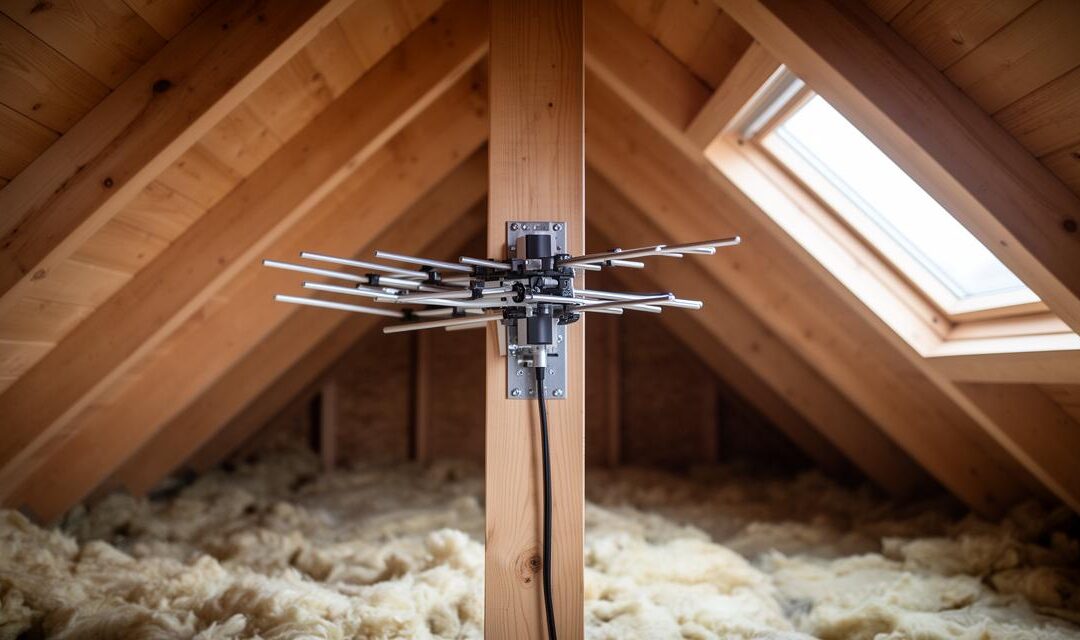
For homeowners seeking a discreet yet effective solution for receiving digital terrestrial television signals, the prospect of installing an antenna within the attic presents an intriguing alternative to traditional outdoor setups. This approach has gained considerable traction in recent years, particularly among residents of new-build homes who prefer to avoid the visual clutter of external aerials while still enjoying quality broadcast reception. The question of whether such an installation is viable depends on a variety of factors, from the structural characteristics of the property to the proximity of local transmitters and the type of equipment selected.
- Installing a TNT antenna in an attic is a viable option for homes located within approximately 30 miles of a broadcast transmitter.
- The performance of an indoor antenna depends heavily on building materials, as metal components and dense insulation can block or weaken incoming signals.
- Attic installation protects the antenna from harsh weather, increasing its durability and reducing long-term maintenance needs compared to outdoor setups.
- Concealing an antenna in the loft maintains a home's aesthetic appeal and avoids the visual clutter of external aerials.
- Proper orientation towards the transmitter and the use of high-quality coaxial cables are essential technical requirements for achieving consistent reception.
- Signal amplifiers can be used to boost reception if the signal strength inside the attic is insufficient for clear viewing.
- Limited loft space may restrict the use of larger, high-gain antennas, potentially forcing a compromise on signal performance in challenging areas.
Understanding the Feasibility of Attic Aerial Installation for Digital Terrestrial Television
The suitability of a loft for housing a digital terrestrial television antenna hinges on several environmental and structural considerations. One of the primary factors is the distance between the property and the nearest transmitter. Indoor loft aerials are generally effective when positioned within a range of approximately thirty miles from the transmitter, making them a practical choice for urban and suburban areas where signal strength is relatively robust. Beyond this distance, the signal may weaken to the point where an attic installation struggles to deliver consistent reception, particularly for households seeking access to a broad range of channels.
What Makes a Loft Suitable for DTT Antenna Placement?
A loft space that is free from excessive obstructions and constructed with materials that do not overly impede radio frequency signals is more likely to support successful aerial installation. Properties with traditional tile roofs and minimal metal reinforcement tend to allow signals to pass through more easily than those featuring heavy insulation, metal foil barriers, or dense concrete components. The orientation of the roof and the angle at which it faces the transmitter also play a crucial role in determining signal quality. Homeowners should assess whether their attic offers a clear line of sight, or at least minimal interference, towards the direction of the broadcast tower to maximise reception performance.
Key Technical Requirements for Installing an Aerial in Your Attic Space
Ensuring optimal reception begins with selecting the correct type of antenna tailored to the specific needs of the household and the characteristics of the local broadcast environment. Digital loft aerials designed for indoor use are typically compact and engineered to perform well in confined spaces, yet they must still be oriented precisely towards the transmitter to capture the strongest possible signal. The use of a coaxial cable to connect the antenna to the television setup is essential, as this type of cable minimises signal loss and interference during transmission. In scenarios where the signal strength remains insufficient, the addition of an amplifier can significantly enhance reception quality by boosting the incoming signal before it reaches the television or set-top box. This combination of appropriate hardware and careful positioning forms the foundation of a successful attic installation.
The Advantages and Disadvantages of Mounting Your Antenna in the Loft
Opting to install a digital terrestrial television aerial within the attic brings with it a range of benefits as well as some potential challenges that homeowners must weigh carefully. Understanding these trade-offs is essential for making an informed decision about whether this approach aligns with the specific needs and constraints of a given property.
Benefits of Attic Installation: Weather Protection and Aesthetic Considerations
One of the most compelling advantages of placing an antenna in the loft is the protection it receives from harsh weather conditions. Unlike outdoor aerials, which are exposed to wind, rain, snow, and temperature fluctuations, an attic-mounted unit remains shielded from the elements, thereby promoting durability and reducing the need for frequent maintenance or replacement. This can translate into long-term cost savings and a more reliable viewing experience. Furthermore, the aesthetic appeal of an indoor installation cannot be overlooked. Many homeowners prefer to avoid the visual impact of an external aerial, particularly in neighbourhoods with strict planning regulations or design standards. By concealing the antenna within the loft, the exterior appearance of the property remains unaltered, blending seamlessly into the surrounding environment. Additionally, loft aerials are generally less expensive and easier to manage than their outdoor counterparts, making them an attractive option for those seeking a balance between performance and convenience.
Potential drawbacks: signal interference and structural limitations
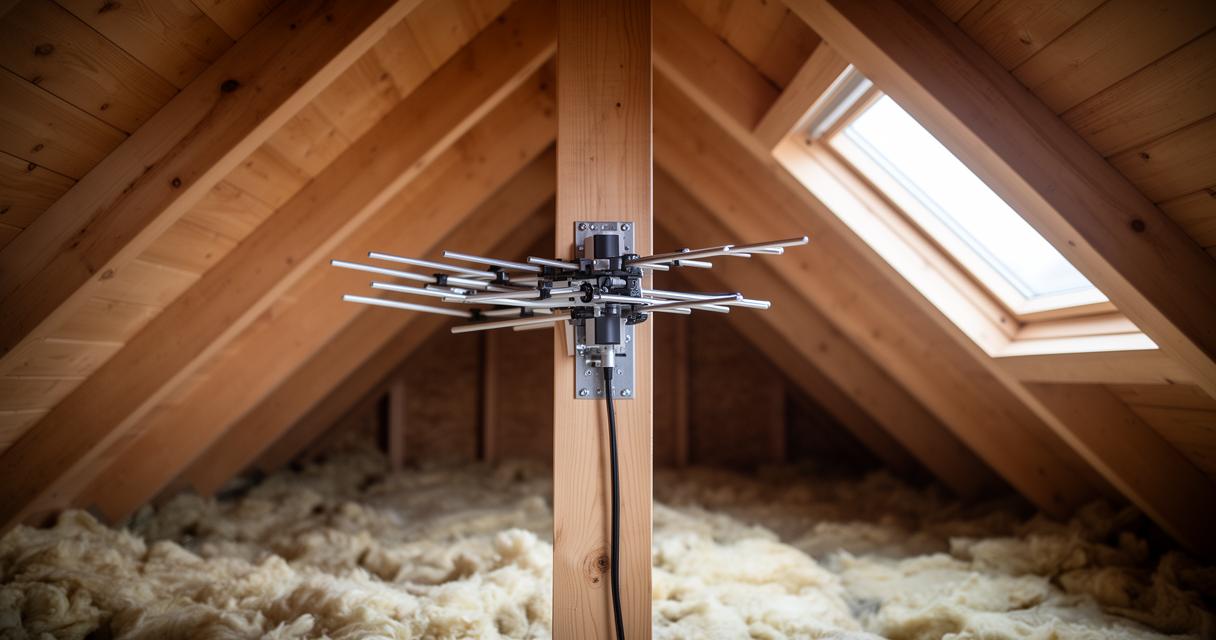
Despite these advantages, attic installations are not without their limitations. The primary concern is the potential for signal interference caused by the building materials and structural components that lie between the antenna and the external environment. Roofs with metal foil insulation, steel beams, or other conductive elements can significantly attenuate the broadcast signal, leading to poor reception or even complete signal loss. In such cases, the performance of an attic-mounted aerial may fall short of expectations, necessitating a move to an outdoor installation or the addition of more sophisticated amplification equipment. Another consideration is the limited space within many loft areas, which can restrict the size and type of antenna that can be installed. Larger, high-gain aerials that might be ideal for capturing weak signals may prove impractical in confined spaces, forcing homeowners to compromise on performance. Additionally, the orientation of the antenna within the attic must be carefully managed to ensure it points towards the transmitter, a task that can be complicated by the layout and contents of the loft itself.
Practical Steps for Setting Up Your Digital Terrestrial Television Aerial in the Attic
Successfully installing an antenna in the attic requires a methodical approach that takes into account both technical specifications and practical considerations. By following a series of well-defined steps, homeowners can maximise their chances of achieving optimal reception quality and a reliable connection to digital terrestrial television services.
Selecting the Correct Antenna Type and Ensuring Proper Orientation Towards the Transmitter
The first step in the installation process is to select an antenna that is appropriate for the specific requirements of the household and the characteristics of the local broadcast environment. Digital loft aerials come in various designs, each suited to different distances from transmitters and intended for capturing either standard or high-definition channels. Consulting product manuals, frequently asked questions, and instructional videos available from manufacturers or online retailers can provide valuable guidance in making an informed choice. Once the antenna has been selected, the next critical task is to position it correctly within the attic. This involves identifying the direction of the nearest transmitter and orienting the aerial so that it faces towards that point as directly as possible. Small adjustments in orientation can have a significant impact on signal strength, so taking the time to experiment with placement and direction is often worthwhile. In some cases, using a signal strength meter or the built-in diagnostic tools on modern televisions can assist in fine-tuning the position for the best possible reception.
Connecting Coaxial Cables and Considering Signal Amplification for Optimal Reception Quality
After positioning the antenna, the next step is to connect it to the television setup using a coaxial cable. This type of cable is specifically designed to carry radio frequency signals with minimal loss, ensuring that the signal captured by the aerial reaches the television or set-top box at the highest possible quality. It is important to secure all connections firmly and to route the cable in a manner that avoids sharp bends or compression, as these can degrade signal integrity. For households experiencing weaker signals due to distance from the transmitter or structural interference, the addition of an amplifier can provide a significant boost in reception quality. These devices work by increasing the strength of the incoming signal before it is distributed to the television, compensating for losses incurred during transmission through the cable or attenuation caused by building materials. When installing an amplifier, it is essential to follow the manufacturer's instructions carefully and to ensure that the device is compatible with the specific antenna and television equipment in use. Some amplifiers also offer features such as cable management accessories and power supply options that can help maintain a tidy and efficient installation. Finally, homeowners should be aware of any local reception guidelines or registration requirements that may apply to their installation, ensuring compliance with relevant regulations and standards.
For those seeking further assistance, comprehensive customer support is often available through online retailers and product manufacturers, including access to detailed product manuals, frequently asked questions, and video tutorials. Companies such as One For All offer a range of products designed to simplify home entertainment, from universal remotes that control multiple devices seamlessly to TV brackets engineered for safety and functionality, as well as stylish TV stands that blend into home decor and monitor arms that promote ergonomics and versatility. By leveraging these resources and adhering to best practices, homeowners can achieve a successful attic installation that delivers reliable and high-quality digital terrestrial television reception.